…
…
Why we exist
Guatemala grows some of the finest cacao on Earth, and almost none of the value stays in the country.
That is the uncomfortable truth Nantli was born from.
Where it began
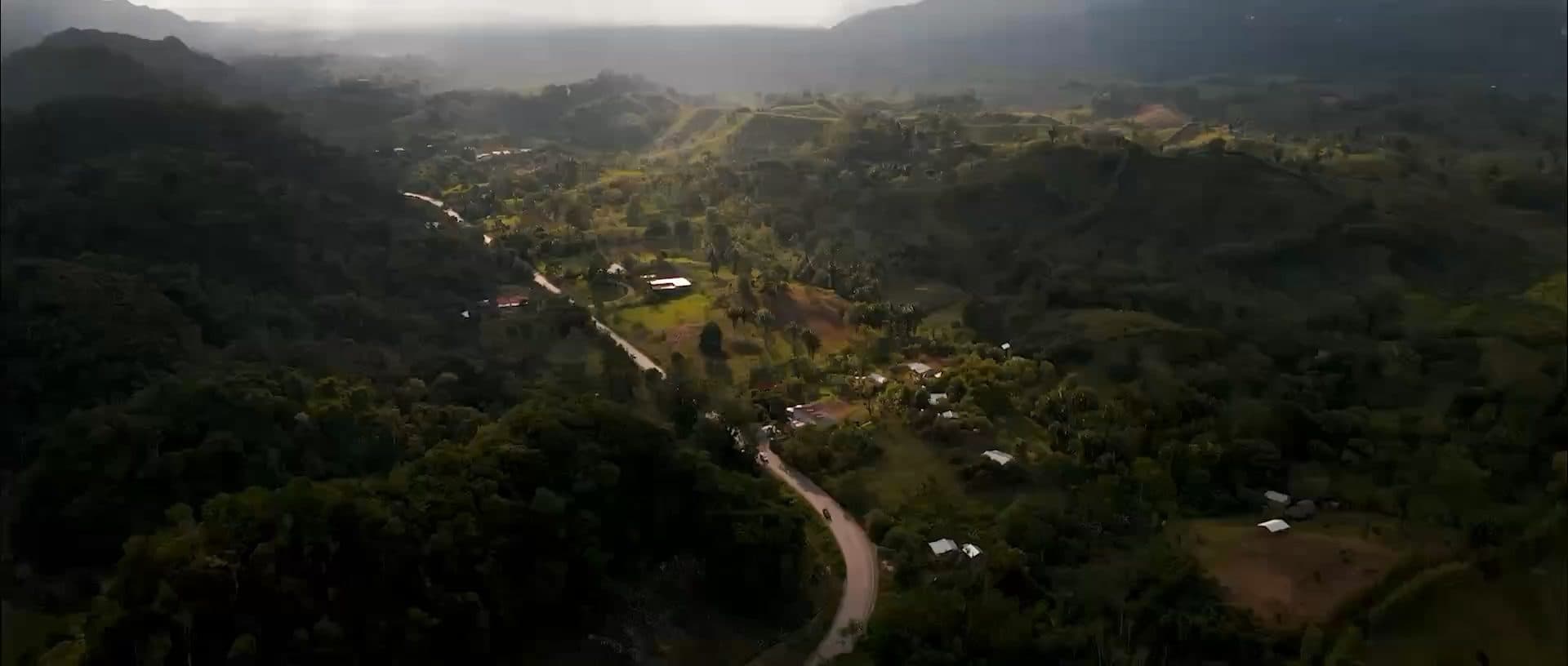
It began in the Polochic, on land bordering what remains of the Sierra de las Minas Biosphere Reserve. Monocrop farming and deforestation had worn the place down. Rather than renew their contracts with the palm oil industry, the owners made a braver choice: replant ancestral cacao varieties in the terroir they came from. What grew there was extraordinary.
The Polochic Valley · Alta Verapaz
The decision
Then the pandemic arrived, just as the first harvest came in. The lockdown left the farmers with no way to get their cacao out and sell it. A foreign buyer saw the opening and turned up with cash, offering to take the entire lot at half its fair price.
It was our breaking point.
We paid the farmer double what he had been offered, bought the whole harvest ourselves, and Nantli was born in that decision.
Our name
say NAHN-tlee
It is a Nahuatl word, and it lives inside the name of a tree: cacahuanantli, “cacao-mother”, planted to shade and protect the young cacao beneath it.
We chose Nahuatl on purpose. It is one of the oldest Mesoamerican languages, old enough to honour the peoples who first domesticated cacao without borrowing a living Maya language to sell with. Guatemala is itself believed to come from Nahuatl, meaning land of trees, and Atitlán carries Nahuatl roots too.
What we are building
Guatemala grows some of the rarest cacao on Earth, roughly 0.3% of the world’s production. And yet, historically, almost none of the value has stayed in the country. The beans leave cheap; the flavour, the craft and the profit are all added later, somewhere else, by someone else.
We are building the opposite of that.
Every bean is processed in Guatemala, never shipped away raw. The families who grow the cacao are paid far above the commodity price. And, the part people find strange, our long goal is to work our own way out of the middle: to teach and equip farming families to process their own cacao.
Keep going
Exactly what our cacao pays the farmer, per kilo, next to the world price.
Read the numbersBlocks, bars and sticks. Single origin, processed start to finish in Guatemala.
Visit the shopA cup made properly, in San Marcos La Laguna, on the shore of Lake Atitlán.
Find the bar